
The words IP, BP, EP and USP on a boric acid quotation do not prove that the offered batch meets every pharmacopoeial requirement. By the end, you will have a practical way to select the right grade, inspect a batch-specific certificate of analysis, reconcile supplier documents and release material safely at a Vadodara facility.
Key takeaways
- Match the pharmacopoeial grade to your formulation and customer contract.
- Check assay, impurities, identification and test methods on the COA.
- Match the COA batch number, manufacture date and seal to delivered packs.
- Keep licences, specifications, SDS, COA and delivery records together.
Which Pharmacopoeial Grade Does Your Boric Acid Specification Require?
Choose the pharmacopoeial claim that matches your market, formulation, and customer contract; “pharma grade” alone is not checkable. IP, BP, Ph. Eur. and USP are separate standards, with separate monographs, acceptance criteria, and editions.
| Claim | Standard | When it applies |
|---|---|---|
| IP | Indian Pharmacopoeia | The Indian-market specification requires IP compliance |
| BP | British Pharmacopoeia | The customer or destination requires BP compliance |
| Ph. Eur. | European Pharmacopoeia | The formulation or European-market specification requires Ph. Eur. compliance |
| USP | United States Pharmacopeia | The customer or United States-market specification requires USP compliance |
Write the material identity and intended use into the purchase specification. Include:
- Boric acid; CAS 10043-35-3; formula H3BO3; molecular weight 61.83
- Physical form, such as powder or granules
- Intended use, market, route, and required boric acid IP BP EP USP grade claim
One named monograph is sufficient when your customer and applicable market require only that standard. A formulation, customer, or multi-market release may require multiple claims, and “boric acid IP/BP/EP/USP grade” is valid only when the same batch is shown to meet every claimed monograph; one does not automatically prove another.
Ask for the exact current monograph edition or supplement and require the supplier to identify every claimed monograph. Before approving the quotation, confirm whether its price includes multi-monograph testing, separate specifications, and additional customer tests.
What Must Appear on a Boric Acid Certificate of Analysis?
A boric acid certificate of analysis must identify one specific batch, not merely describe a product range. Reject an incomplete document until it names the product, grade, manufacturer and manufacturing site, batch or lot number, manufacturing date, assigned retest or expiry date, test dates, issue date and release status.
Check that it contains:
- Assay, identification, impurity limits, water or loss on drying, residue on ignition, and heavy-metal or elemental-impurity results.
- Microbiological results when required by the formulation, route and process; pharmaceutical grade alone does not establish microbial limits.
- Each specification limit beside an actual numerical result, the test method or compendial reference, analyst approval, and quality-unit signature or validated electronic approval.
- Identity evidence, including infrared comparison when the cited monograph prescribes it, plus the actual reference and conditions for critical titrimetric, chromatographic or instrumental tests.
Use the reporting basis to interpret every number:
| Result basis | What you can compare | What goes wrong if absent |
|---|---|---|
| As-is | Limit stated on the same as-is basis | Moisture content can distort the comparison |
| Dried substance | Dried-substance monograph limit | An as-is assay cannot be compared directly |
| Other defined basis | A limit calculated on that identical basis | “Pass” gives no calculation trail |
An assay of 99.8% is not self-explanatory. Require the certificate to state the basis, then compare every result and limit with the current IP, BP, Ph. Eur. or USP monograph. “Passes” or “complies” is not a numerical result and cannot replace the reported value.
How Do You Prove the Certificate Belongs to the Offered Batch?
The certificate belongs to the offered material only when one identical batch number connects the test record to every container and transaction document.
1. Before issuing a purchase order, request a sample boric acid certificate of analysis. Match its product name, grade, manufacturer, manufacturing site, test dates and release format against the quotation and approved specification. Then require the batch-specific certificate before quality release or use.
2. At receipt, match the same batch number across the CoA, drum or bag label, invoice, packing list and delivery paperwork. Check the manufacturer, site, net quantity, manufacturing date and retest or expiry date. Quarantine any mismatch, overwritten label, mixed lot or repacked container until the supplier provides a documented reconciliation.
3. Identify the report’s source. A manufacturer-issued CoA links release testing to the production batch; a supplier test report may describe testing after trading or repacking; an independent laboratory report separately verifies selected results but cannot replace traceability to the original lot. A technical data sheet is not a lot CoA.
4. Seek independent testing for a high-risk formulation, new supplier, import or repack operation, disputed result, critical impurity or customer audit. Require written controls for sampling, deviations, out-of-specification investigations, change notification, complaints, recalls and subcontracted testing. These records form part of boric acid procurement requirements in Vadodara, alongside the delivery traceability file.
Which Documents Belong in a Vadodara Boric Acid Procurement File?
Boric acid procurement requirements in Vadodara should separate product acceptance from commercial and customs records. Before purchase and shipment, retain:
- Quotation, approved specification sheet, technical data sheet, sample CoA and batch-specific CoA
- Packing details, invoice, packing list, batch traceability records and transport documents
- GST details, country-of-origin documents where required, current Indian tariff classification, and IEC and customs records for imports or exports
Verify the current ITC-HS code, duty and shipment conditions at the time of dispatch; never copy an old supplier code.
A current, intended-market, 16-section SDS is mandatory for review. Check composition, first aid, firefighting, accidental release, handling and storage, exposure controls, transport and regulatory information.
EU harmonised CLP classifies boric acid as a reproductive toxicant, commonly linked to H360FD, so assess worker exposure, labelling and storage controls instead of treating it as an ordinary laboratory salt.
The boric acid for grade documentation checklist in Vadodara should also identify the supplier’s supply-chain role:
| Supplier type | Evidence to request | Main risk |
|---|---|---|
| Manufacturer | Batch release, production and traceability records | Weak linkage between records and shipment |
| Trader | Original manufacturer CoA and custody records | Unverified source or altered documentation |
| Repacker | Original lot, repacking record and new label reconciliation | Mixed or lost batch identity |
Ask Halogens or any competing vendor whether it manufactures, trades or repacks the material, and require written controls for changes, deviations, out-of-specification investigations, complaints, recalls and subcontracted testing. Approve the lot only when every document carries matching batch, site and quantity details.
Related product
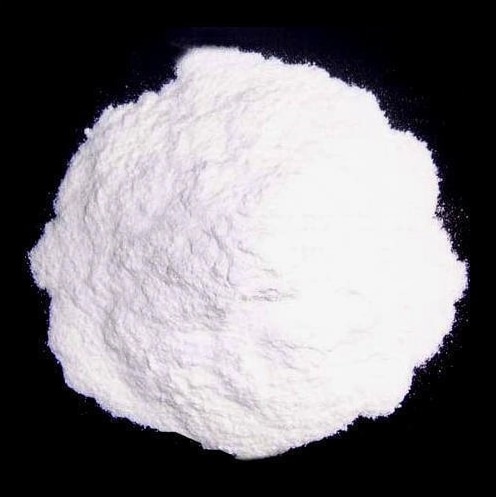 | Pharmaceutical Grade : IP/BP/EP/USP Synonyms: ortho-Boric acid; boracic acid; Borofax, boric acid (H3BO3) CAS No.: 10043-35-3 Molecular Weight: 61.83 Chemical... View product → |
How Should You Receive, Store and Release Boric Acid in Vadodara?
Release boric acid only after receiving inspection, controlled storage and quality approval. For a boric acid grade documentation checklist in Vadodara, apply the same controls at Makarpura, Nandesari and Savli facilities.
1. State boric acid procurement requirements in Vadodara on the purchase and receiving specification: net quantity, container material, liner requirement, seal condition, lot marking, palletisation, moisture protection and required storage conditions. Keep containers closed, dry and protected from contamination according to the approved specification and safety data sheet.
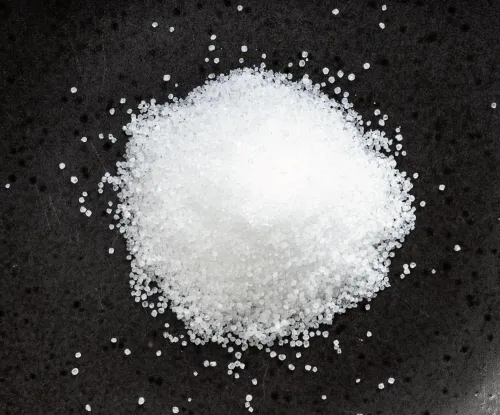
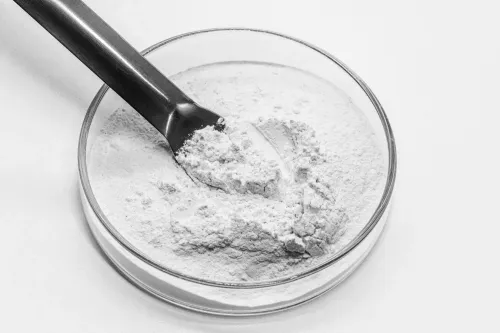
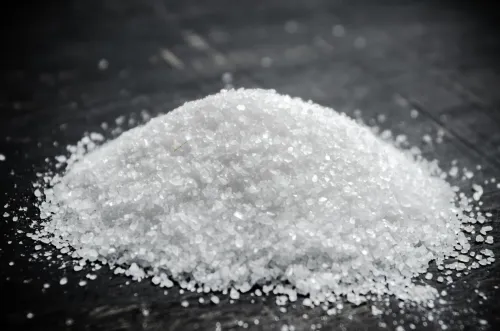
2. Inspect the white powder or granules at receipt for intact seals, legible labels, correct net weight, wetting, caking, foreign matter, torn bags, damaged drums and transport contamination. Quarantine any damaged, unsealed, incorrectly labelled or mixed-lot container until the purchase order, label, invoice, delivery paperwork and batch-specific CoA agree.
3. Assign named responsibility for chemical storage, spill response, worker exposure controls and waste disposal. Check the site’s Gujarat Pollution Control Board consent or authorisation for the facility and process; this is not a universal certificate for every purchaser.
Microbiological testing follows the formulation, route and manufacturing process. Nonsterile material may require microbial enumeration or specified-organism testing; sterile or ophthalmic use requires additional validated controls.
Final release needs quality approval of the correct batch-specific CoA, required impurity and microbial evidence, intact packaging and complete traceability from container to production lot. The CoA must show release status, specification limits, actual results, test methods, dates and authorised quality approval.
Frequently asked questions
How do you choose between boric acid IP, BP, Ph. Eur. and USP grade?
Choose the monograph named in your formulation, market authorisation, customer contract or release procedure. IP, BP, Ph. Eur. and USP are separate standards, so “pharma grade” alone is not sufficient.
What should a boric acid certificate of analysis contain?
Check the product name, declared grade, batch number, manufacture and retest or expiry details, test results, units, specification limits, test methods, conclusion, and authorised quality approval.
How do you prove that a boric acid COA belongs to the offered batch?
Match the COA batch or lot number, container labels, manufacture date, quantity, seal condition and supplier invoice or delivery note. Resolve any mismatch before release.
Which documents belong in a Vadodara boric acid procurement file?
Keep the approved specification, supplier qualification records, quotation or purchase order, COA, SDS, packing and transport records, delivery note, invoice, inspection record and deviation or complaint correspondence.
Keywords