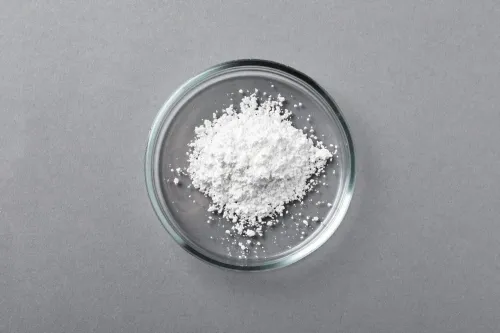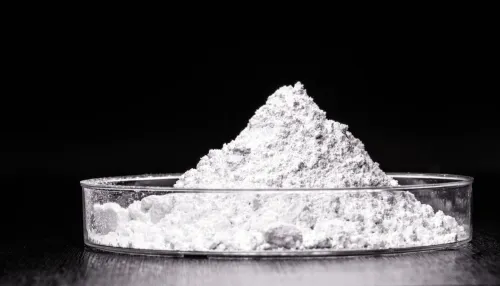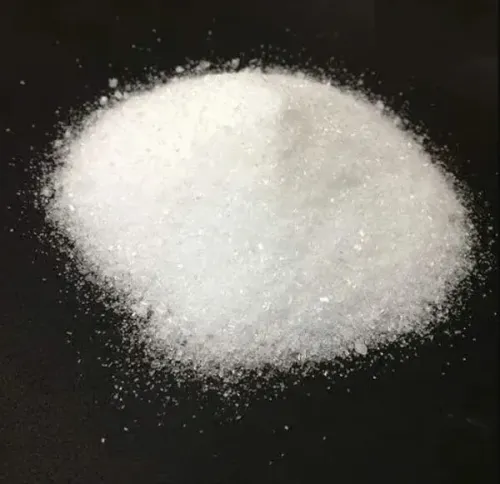
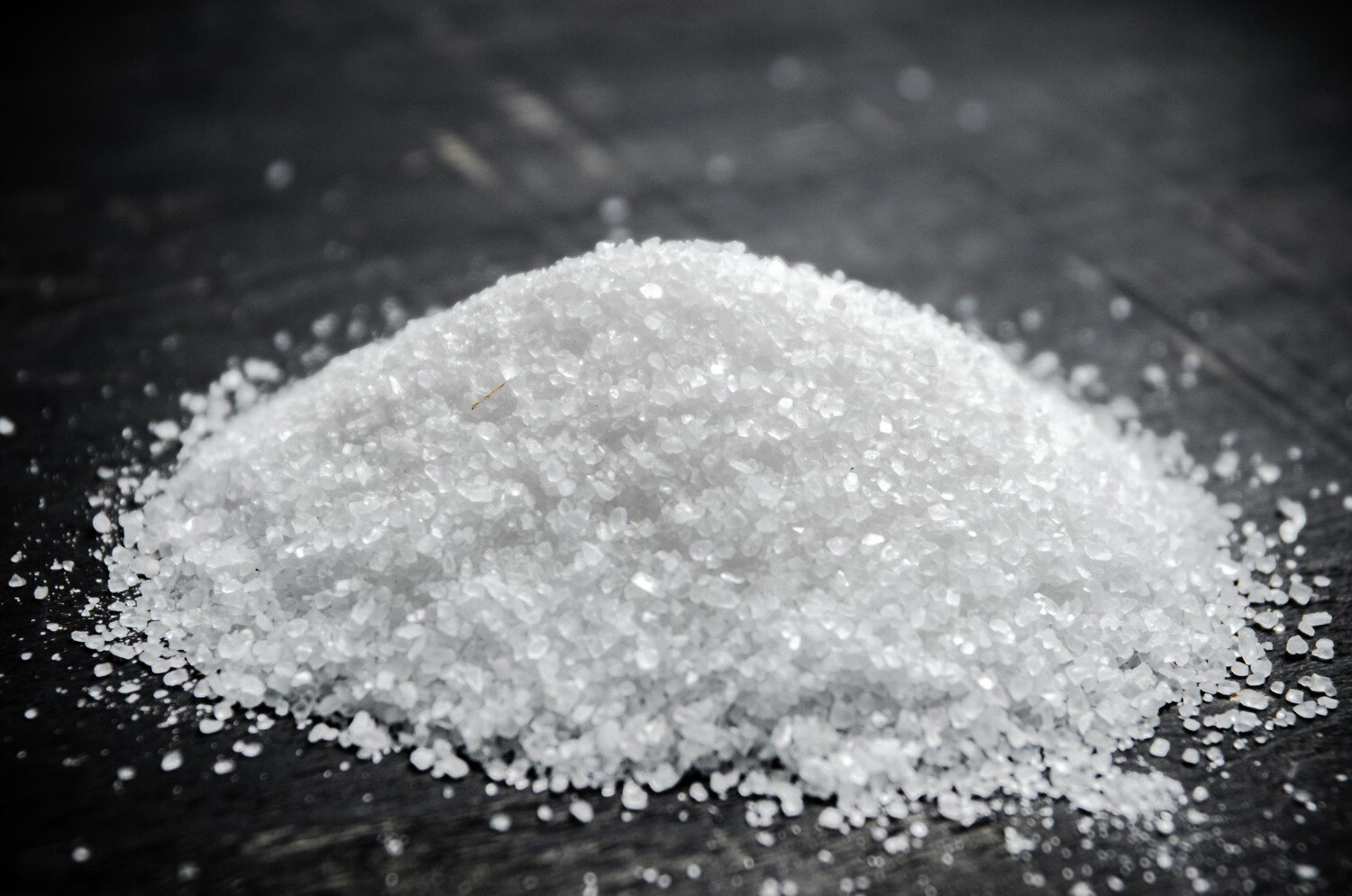
Ammonium chloride is suitable only when its ions, impurity limits, grade and documentation match the test method. By checking the sample matrix, analytical purpose, solution requirements and supplier records, you can decide whether to approve it, qualify it for limited use or select a different reagent.
Key takeaways
- Use ammonium chloride only when ammonium or chloride ions serve the method.
- Match analytical, reagent, or technical grade to the test’s specification.
- Control concentration, water quality, weighing, labelling, and solution expiry.
- Compare substitutes before changing ionic strength, pH, or test performance.
When Ammonium Chloride Fits a Laboratory Method
Ammonium chloride fits a method when the procedure specifically needs ammonium ions, chloride ions, or both. The practical question is: is ammonium chloride suitable for laboratories in Vadodara? Use it for a validated method, not because the container says “laboratory chemical.”
| Method or sample type | Why ammonium chloride fits | Essential control |
|---|---|---|
| Ammonia–ammonium chloride buffer | EDTA titration of calcium and magnesium near pH 10 | Verify pH and control both ammonia and ammonium chloride |
| Qualitative ammonium-ion testing | Supplies NH4+ for identification reactions | Check blanks when samples contain nitrogen compounds |
| Selected instrumental or separation procedures | Provides an electrolyte or supporting salt | Confirm that chloride will not alter response, conductivity, or ionic strength |
| Specified microbiology media | Supplies ammonium nitrogen in the formulation | Follow the medium’s validated recipe and grade requirement |
| Pharmaceutical development or sample preparation | Supports a named formulation, extraction, or digestion step | Match impurity limits to the method and matrix |
For ammonium chloride laboratory use in Vadodara, test the salt’s effect with a reagent blank, matrix spike, or recovery check whenever it enters the sample pathway. Chloride, metals, sulfate, alkali impurities, or excess ammonium can create false chloride, nitrogen, conductivity, or recovery results.
Technical-grade material is therefore unsuitable for trace analysis unless the method explicitly permits it.
Before approval, match the specification to the test and request the current SDS, batch certificate of analysis, manufacturing and retest or expiry dates, and intact packing details. Keep the solid away from strong bases; mixing them can release ammonia.
Match the Grade to the Test, Not the Label
Choose by the method’s impurity limits, not by the most impressive-sounding grade. For ammonium chloride for testing in Vadodara, put CAS 12125-02-9, formula NH₄Cl and relative molecular mass 53.49 on the purchase specification and certificate of analysis.
| Option | What it means | When it applies |
|---|---|---|
| LR | Laboratory reagent grade; supplier-defined limits | Routine qualitative work or non-critical preparations after checking the specification |
| AR | Analytical reagent grade with controlled impurities | Quantitative testing when assay, insoluble matter, sulfate, iron, heavy metals and residue on ignition are covered |
| ACS | Meets the American Chemical Society reagent specification | Methods that cite ACS requirements or accept equivalent limits |
| IP | Indian Pharmacopoeia monograph compliance | Pharmaceutical work requiring the IP monograph |
| BP | British Pharmacopoeia monograph compliance | A method or product specification that names BP |
| EP | European Pharmacopoeia monograph compliance | A method or product specification that names EP |
| USP | United States Pharmacopeia monograph compliance | A method or product specification that names USP |
A pharmacopoeial grade proves compliance with its named monograph; it does not automatically prove suitability for trace metals or every analytical method. Compare the certificate with your method’s limits, then request the current SDS, batch manufacturing and retest or expiry details, packing information and intact-seal confirmation.
Reject technical grade for release, stability, trace-metal or validated impurity testing unless documented impurity limits show no effect. Chloride, sulfate, iron, alkali metals and heavy metals can shift results even when the stated assay is high.
Prepare and Control Solutions Without Creating Method Bias
A pH 10 ammonia–ammonium chloride buffer is not made by dissolving ammonium chloride alone. The ammonia component controls the buffer pair, so an incorrect ratio or unchecked pH can shift an EDTA titration for calcium or magnesium and create a false endpoint.
1. Define the method before weighing. Record the required ammonium chloride concentration, ammonia concentration, final volume, solvent quality, pH range and impurity limits. For ammonium chloride laboratory use in Vadodara, match the batch certificate of analysis to those limits rather than accepting a generic laboratory-chemical label.
2. Prepare by mass or a calibrated volumetric procedure using clean equipment and freshly verified water. Dissolve the weighed salt completely, add the specified ammonia component, make to volume, mix thoroughly and label concentration, preparation date, preparer and batch number.
3. Verify the finished buffer with a calibrated pH meter at the method’s stated temperature. Do not treat an ammonium chloride solution as a substitute for the ammonia–ammonium chloride buffer.
4. For standards and sample preparation, run a reagent blank containing every added reagent. Add a matrix spike or recovery check when chloride, ammonium, nitrogen, conductivity or ionic strength could affect the result; otherwise reagent contribution can be reported as sample signal.
Use traceable, method-suitable material for instrumental or trace analysis. Check chloride, metals, sulfate and alkali limits on the certificate, because a clear solution can still bias results. Keep the salt away from strong bases; ammonia can be released during mixing or waste handling.
Compare Alternatives Before You Substitute a Salt
Replace ammonium chloride only when the method needs a different ion, buffering behaviour, or impurity profile. For ammonium chloride for testing in Vadodara, compare the salt’s ions with the method—not its familiar label. A substitute changes pH, ionic strength, conductivity, precipitation and recovery.
| Option | What it supplies | When replacement applies |
|---|---|---|
| Ammonium acetate | Ammonium and acetate ions | Use when the method specifies acetate buffering, acetate-compatible extraction, or a volatile ammonium salt. Do not substitute if chloride is part of the reaction. |
| Sodium chloride | Sodium and chloride ions | Use when the procedure requires chloride or sodium ionic strength but must avoid ammonium. It is not equivalent for ammonium-complexation or ammonium-buffer methods. |
| Potassium chloride | Potassium and chloride ions | Use when potassium concentration or a potassium reference is specified, including methods that control electrode response with potassium chloride. Sodium chloride will not provide the same result. |
| Ammonium sulphate | Ammonium and sulphate ions | Use when the method requires sulphate or a higher ammonium contribution. It cannot replace chloride in chloride precipitation or chloride-sensitive systems. |
Before changing an ammonium chloride laboratory chemical in Vadodara, run the approved method’s blank, matrix spike and recovery comparison. Check for chloride, ammonium, sulphate, acetate, sodium or potassium contamination, then document equivalence through validation rather than assuming the salts are interchangeable.
A lower-cost technical salt is unsuitable for release or trace-metal work unless its impurities meet the method’s limits.
Qualify the Supplier, Storage and Safety Controls
Approve a batch only when its documentation and condition match your method. The question “is ammonium chloride suitable for laboratories in Vadodara?” has no grade-free answer: a validated pharmaceutical, water, metal-ion or microbiology method sets the impurity limits and traceability required.
A search for an “ammonium chloride laboratory chemical in Vadodara” is not a quality specification.
- Request the current SDS, batch certificate of analysis, CAS number, manufacturing date, retest or expiry date, storage conditions and packing details.
- Compare the CoA with the method’s limits for assay, moisture, chloride, heavy metals, iron and any other named impurity; do not approve on the generic label “laboratory grade.”
- Confirm whether LR, AR, ACS, IP, BP, EP or USP status matches the method. Technical grade belongs only in process trials or non-critical work when its impurities are proven irrelevant.
- Inspect the seal, label, lot number and container for leaks, caking or moisture damage, then record the batch in your inventory.
- Ask Halogens for method-relevant specifications and traceability before placing an order, rather than accepting a catalogue grade without evidence.
Store the container tightly closed in a dry area away from excess heat, moisture and strong bases. Open it briefly and use clean, dedicated spatulas; humidity can cause caking and inconsistent weighing.
Wear eye protection and task-appropriate gloves, control dust, and use a fume hood for dusty transfers or work that can release ammonia or hydrogen chloride. Never add strong alkali to ammonium-chloride waste unless the procedure controls ammonia generation and ventilation.
Related products
 | Laboratory Chemicals (NH4Cl) is an inorganic chemical compound consisting of ammonium and chloride ions. View product → |
 | Laboratory Chemicals Grade : BP/EP/USP, IP/BP/EP/USP Synonyms: Sal ammoniac; Ammonium muriate CAS No.: 12125-02-9 Molecular Weight: 53.49 Chemical Formula: NH4Cl View product → |
Frequently asked questions
When is ammonium chloride suitable for laboratory use in Vadodara?
Use it when a validated method requires ammonium ions, chloride ions, or a defined ammonium chloride buffer or solution.
Which ammonium chloride grade should a laboratory choose?
Match the grade to the test specification: analytical or reagent grade for controlled testing, and technical grade only for uses that permit its impurity profile.
How can you prevent ammonium chloride solutions from biasing test results?
Use specified water, calculate the concentration from the assay, weigh accurately, record the batch, label the solution, and follow the method’s storage and expiry limits.
What should you check before buying ammonium chloride for testing in Vadodara?
Check the certificate of analysis, specification, batch traceability, packaging integrity, safety data sheet, storage instructions, and supplier delivery controls.
Keywords