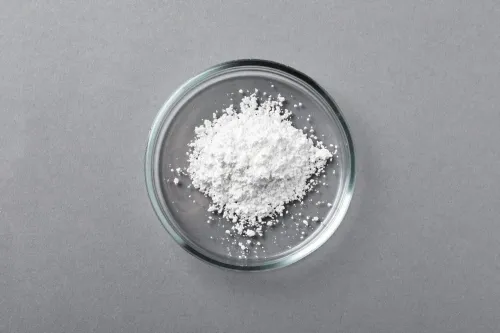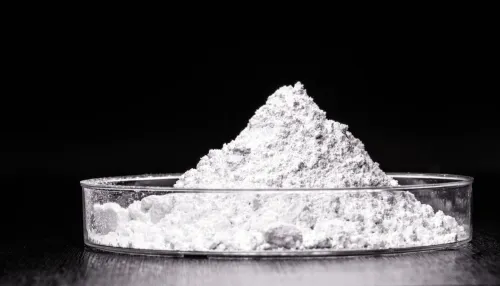
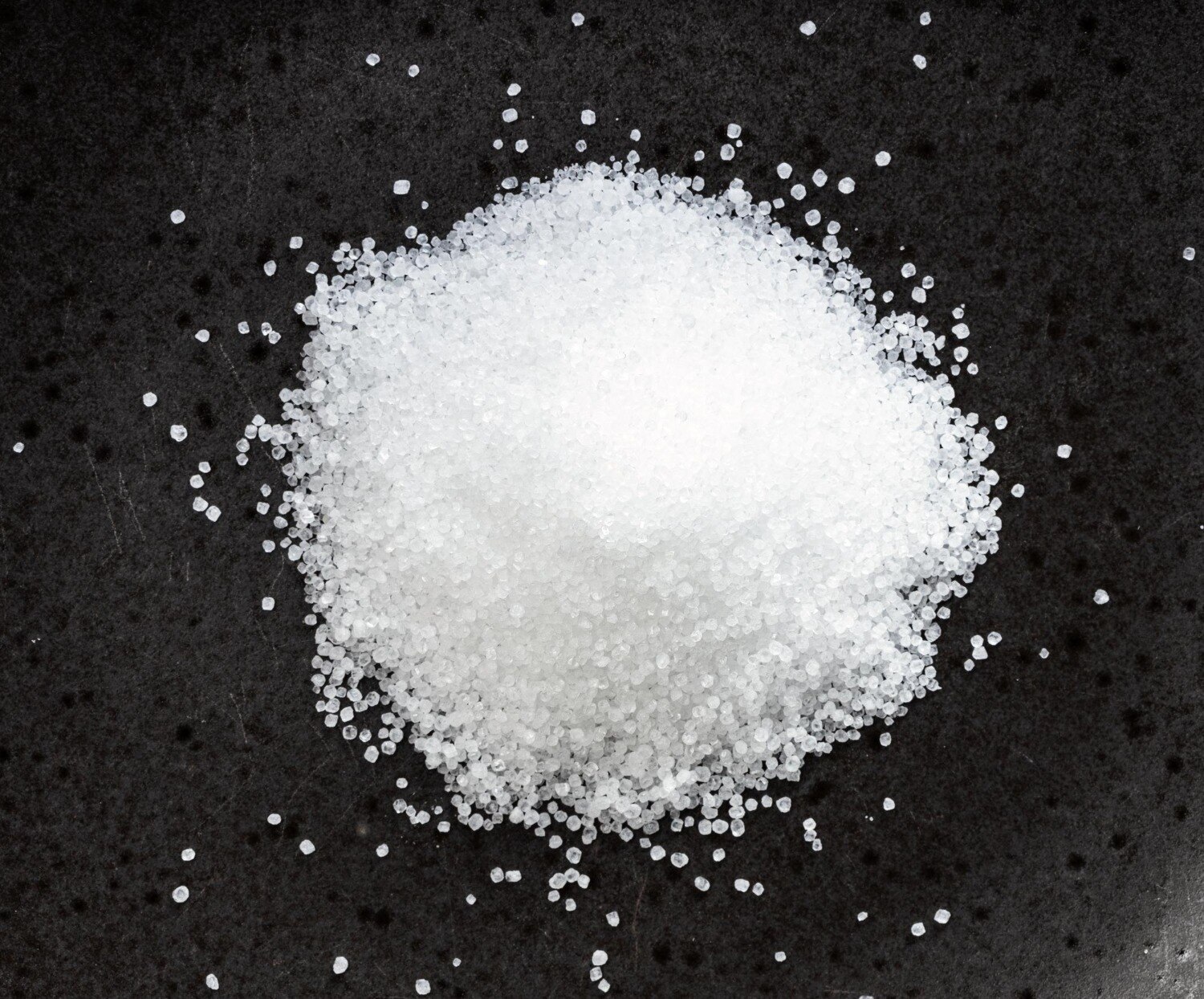
A potassium chloride purchase is not approved by the words KCl, a white appearance, or a headline assay alone. You need to match the material to its dosage-form or process role, verify the applicable monograph and batch evidence, and confirm that local stock remains traceable from the approved manufacturer to your receiving bay.
Key takeaways
- Match CAS 7447-40-7 and 74.551 g/mol across every purchasing record.
- Name the intended monograph before accepting a pharmaceutical potassium chloride grade.
- Check lot number, seal condition, assay, moisture, and traceability before release.
- Confirm current Vadodara stock by lot before comparing supplier quotations.
Choose the potassium chloride grade for the actual pharmaceutical use
CAS Registry Number 7447-40-7 and molecular weight 74.551 g/mol must match the purchase order, specification, certificate of analysis, and incoming records. Finished-dose use means potassium chloride is the active ingredient in an oral electrolyte product, potassium replacement formulation, or concentrate for dilution.
Raw-material use means it enters a formulation or approved manufacturing process; laboratory activity does not make the reagent suitable for release into a medicine.
| Option | What it means | When it fits |
|---|---|---|
| IP | Indian Pharmacopoeia compendial material | An Indian filing or specification names IP |
| BP | British Pharmacopoeia material | The approved product requires BP |
| USP | United States Pharmacopeia material | A USP–NF monograph applies |
| Ph. Eur. | European Pharmacopoeia material | The filing requires Ph. Eur. |
| ACS | Analytical laboratory reagent | Testing, not finished-dose manufacture |
| LR | Laboratory reagent | Routine laboratory activity |
| AR | Analytical reagent | Controlled analytical work |
| Technical | Industrial-use salt | Process use only when specifically approved |
| Fertilizer | Agricultural potassium source | Never infer pharmaceutical suitability |
Potassium chloride options for pharma manufacturers include compendial material, laboratory reagent, food salt, industrial salt, and fertilizer salt. Potassium chloride for pharmaceutical manufacturing in Vadodara must be selected against the product’s regulatory filing and applicable monograph, not the label “pharmaceutical grade” alone.
A stated assay and white crystalline appearance do not establish suitability for an API, oral dosage form, or sterile product. Confirm the named standard, impurity limits, identity, water content, and intended use; sterile products require additional finished-product controls.
Read the certificate of analysis against the named monograph
Approve a lot only when its certificate of analysis (CoA) names the exact monograph and edition: IP, USP–NF, BP, or Ph. Eur. Confirm each test method and acceptance limit. One pharmacopoeial grade is not automatically interchangeable with another, so this check is central to potassium chloride pharmaceutical use in Vadodara.
| CoA item | What to verify | Why it matters |
|---|---|---|
| Assay and identity | Assay basis, result, and identification tests match the monograph | Confirms strength and chemical identity |
| Inorganic impurities | Sodium, bromide, iodide, sulfate, calcium, magnesium, iron, and insoluble matter against stated limits | Detects contamination that can affect an electrolyte product or process |
| Elemental impurities | Heavy-metals result or elemental-impurity data, with the method and limits | Supports the product risk assessment under ICH Q3D |
| Physical and solution tests | Loss on drying or water content, pH, and appearance where specified | Controls moisture and solution performance |
| Microbial quality | Bioburden or other microbial results when the formulation requires them | Supports the intended dosage form and process |
The exact impurity list depends on the monograph and use. ICH Q3D still requires assessment of elemental impurities from the material, water, equipment, and container system in pharmaceutical products; a clean-looking salt does not remove that obligation.
Demand lot-specific results, not a generic specification sheet. Check that the CoA identifies CAS 7447-40-7, batch number, manufacturer, sample date, and release authorization, then compare those fields with the proposed potassium chloride options for pharma manufacturers.
Build a receiving and traceability check before releasing the lot
Do not release a potassium chloride lot until the documents, container, and identity agree. This receiving gate protects potassium chloride chemical availability in Vadodara from becoming an untraceable stock decision.
1. File the current specification sheet and the batch-specific certificate of analysis. Also collect the safety data sheet, certificate of origin when required, allergen or animal-origin declaration where relevant, and residual-solvent statement where relevant. Record approved change-control notifications, the retest or expiry policy, and the supplied lot’s retest or expiry information.
2. At receipt, match the drum or bag lot number to the certificate of analysis and purchase order. Verify CAS 7447-40-7 and the approved grade on the label, then inspect the seal, liner, closure, and packaging for damage. Record the manufacturer, manufacturing date, retest date or expiry date, pack size, and storage condition.
3. Place the lot in quarantine if the seal is broken, packaging is damaged, labels are unclear, or any document does not match the container. Release it only after quality review, sampling, testing, and documented approval.
Use ICH Q7-style controls for receipt, identification, quarantine or release, storage, sampling, testing, and traceability. A relabelled distributor pack or single certificate does not replace qualification of the original manufacturer and supply chain; assess supplier controls, change notification, packaging, and certificate attribution before approval.
Control moisture, particle behaviour, and electrolyte dose risk
A wet or caked lot can disrupt feeding, blending, granulation, tablet weight, and oral-powder content uniformity. For potassium chloride pharmaceutical use in Vadodara, assess physical behaviour as carefully as assay.
| Form or use | Main manufacturing concern | Information to request |
|---|---|---|
| Crystal or granular raw material | Feeding, segregation, and blend uniformity | Crystal form, sieve profile, particle-size distribution, bulk density, and flow data |
| Tablets, granules, or oral powders | Uneven dosing after handling or compression | Particle-size distribution, caking tendency, and segregation controls |
| Solution manufacture | Slow or incomplete preparation, particles, or concentration error | Dissolution behaviour, water content, and solution-preparation instructions |
| Laboratory or process use | Material unsuitable for a finished dosage form | Intended-use statement and applicable grade or monograph |
Potassium chloride is highly water-soluble. Use sealed moisture-protective packaging, control opening and repacking, prevent contact with contaminants, and check for caking before release; a generic specification sheet may not include these physical data.
Control each weigh by verified balance, identity, lot record, and independent calculation. Prepare solutions with defined water quality, order of addition, mixing time, and final concentration. Store it away from incompatible chemicals and materials that could introduce ionic, particulate, microbial, or cross-product contamination.
- Do not treat laboratory or process-use material as suitable for an injectable formulation.
- Potassium chloride is a concentrated electrolyte; a weighing or dilution error can produce a dangerous dose.
- Concentrated potassium chloride must be diluted before intravenous administration.
- Sterile finished products also require controls for particulate matter, sterility, bacterial endotoxins, container-closure integrity, solution appearance, and concentration uniformity.
Verify Vadodara stock at lot level before comparing quotations
Catalogue presence is not local availability. For potassium chloride chemical availability in Vadodara, ask the seller to identify the physical lot currently held, not merely quote a catalogue item or future procurement.
Require every quotation to state:
- Manufacturer name and whether the seller is an authorized distributor
- Approved grade or exact monograph, including edition
- Assay basis and acceptance limit
- Impurity specification
- Particle, crystal, granular, or powder form where relevant
- Pack size and controlled storage condition
- Batch size and current quantity available
- Lot-specific certificate of analysis availability
- Retest or expiry policy
- Manufacturing date and delivery lead time
| Evidence | Catalogue listing | Lot-confirmed quotation |
|---|---|---|
| Identity | Product name and grade claim | Manufacturer, lot number, grade, and monograph |
| Availability | “In stock” without quantity | Current quantity, pack size, storage location, and manufacturing date |
| Quality evidence | Generic specification sheet | Lot-specific certificate with attributable results |
| Supply control | Unclear source or future supply | Authorized-distributor status and traceable packaging |
Ask directly whether the stock is the approved grade and manufacturer for potassium chloride for pharmaceutical manufacturing in Vadodara. Halogens can support specification-led evaluation when it supplies these particulars for documentation, batch traceability, and delivery planning; those particulars remain the approval basis.
Shortlist only the lot that meets your product specification, has attributable batch evidence, arrives in controlled packaging, and can be quarantined and released through your quality system.
Related product
 | Speciality Chemicals (KCl) is an inorganic chemical compound consisting of potassium and chlorine. View product → |
Frequently asked questions
How do you choose potassium chloride for pharmaceutical manufacturing?
Match the grade to its intended use: active ingredient, oral electrolyte product, potassium replacement formulation, or concentrate for dilution. Confirm the named pharmacopoeial monograph and required specification before buying.
What should you check on a potassium chloride certificate of analysis?
Compare the certificate with the named monograph and purchase specification. Check the product identity, CAS Registry Number 7447-40-7, molecular weight 74.551 g/mol, assay, moisture, batch number, test dates, and release approval.
How should you receive and release a potassium chloride lot?
Record the supplier, lot number, container count, receipt date, seal condition, packaging damage, certificate of analysis, and storage location. Quarantine the lot until quality staff approve the records and test results.
What should you verify before comparing potassium chloride quotations in Vadodara?
Ask each supplier to confirm the exact grade, available lot number, pack size, certificate status, stock location, lead time, and remaining shelf life. Compare equivalent lots rather than headline prices alone.
Keywords