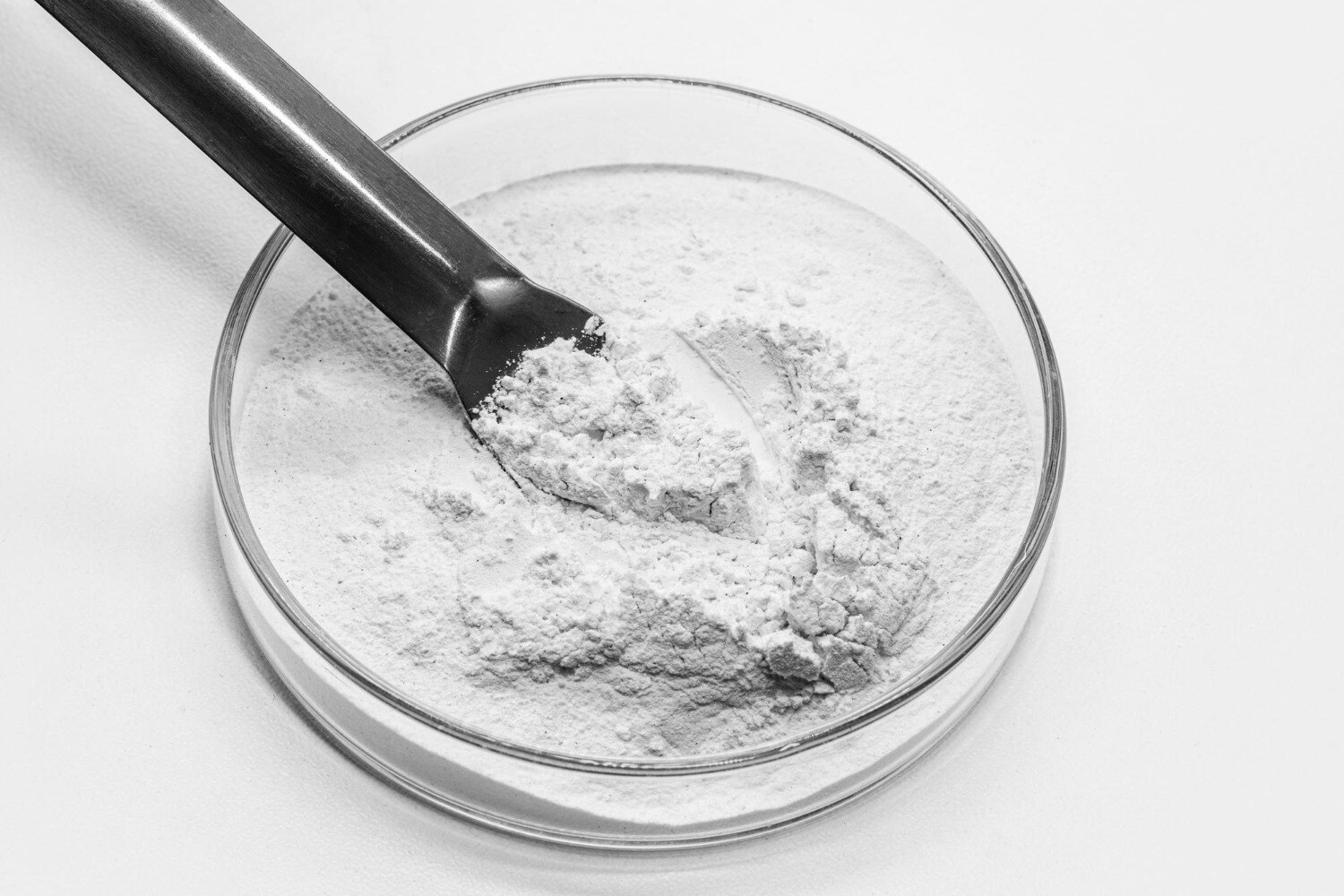
A Vadodara laboratory ordering barium acetate needs more than a nominal kilogram price: the inner pack, grade, lot documentation, and delivery condition affect both safe use and test validity. By the end, you will be able to compare available pack configurations, choose an order quantity, check the label and certificate, and set up handling and waste controls for CAS 543-80-6 material.
Key takeaways
- Order 100 g, 500 g, or 1 kg packs for laboratory work; production supply may use 25 kg containers.
- Choose sealed, moisture-protective packaging with a readable batch number and safety label.
- Match order quantity to testing frequency, shelf life, storage capacity, and minimum order quantity.
- Check the grade, assay, certificate of analysis, SDS, batch number, and manufacturing date before acceptance.
Which barium acetate pack sizes can a Vadodara laboratory order?
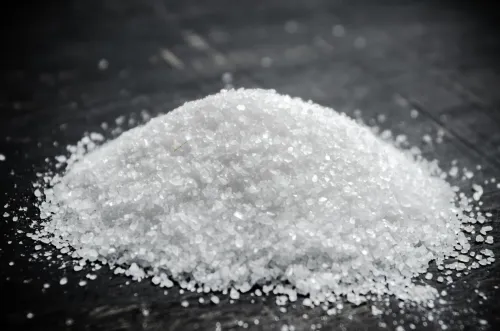
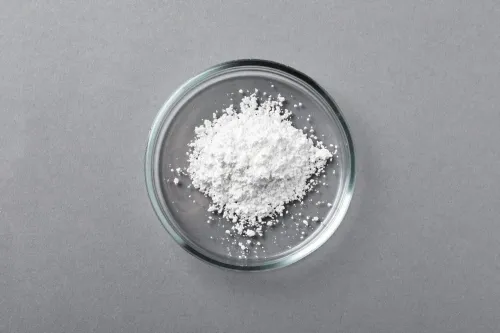
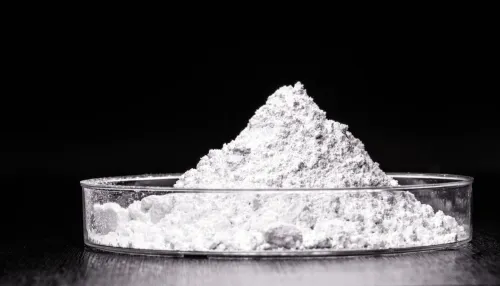
A barium acetate pack size in Vadodara commonly falls into small analytical packs of 100 g, 500 g, or 1 kg, while production supply may use a 25 kg drum or sack. Actual availability depends on grade, stock position, imported versus locally packed material, and the supplier’s minimum order quantity.
| Pack format | Practical use | What the quotation should clarify |
|---|---|---|
| 100 g | Trial work or infrequent testing | Sealed bottle and price per bottle |
| 500 g | Regular laboratory analysis | Net weight per bottle and lot number |
| 1 kg | Higher routine consumption | Number of bottles and total net weight |
| 25 kg | Validated production use | Drum or sack, opening status, and certificate coverage |
Do not write “2 kg” as the complete requirement. State whether you want two sealed 1 kg bottles, one 2 kg repacked container, or material taken from a larger industrial pack; these choices affect traceability, exposure, certificate status, and shelf-life control.
Require the quotation to state:
- Net weight per inner container
- Number of containers and total net weight
- Price for one pack, a multi-pack order, or one drum or sack
- Minimum order quantity and available pack configuration
- Whether the material is imported or locally packed
Before comparing prices or calculating a molar preparation, confirm anhydrous or hydrated form, CAS 543-80-6, formula C4H6BaO4, and the assay basis shown on the lot-specific certificate. The weighed mass depends on those details, not on the trade name alone.
What should barium acetate packaging in Vadodara protect against?
A powder pack must block moisture, resist impact, and prevent leakage during handling. For barium acetate packaging in Vadodara, specify a sealed moisture-resistant inner liner inside a compatible bottle, pail, or other rigid outer container, with cushioning for transport and tamper-evident sealing.
1. Ask the supplier to state the quantity per inner container, liner material, outer-container type, closure method, seal condition, tamper-evident feature, lot traceability, and repacking status. Require a closure that keeps powder from escaping when the container is tilted or moved.
2. Inspect each delivery before placing it in the laboratory. Confirm an intact outer pack, an unbroken inner seal, no visible powder at the closure, no unexplained caking, and a net weight matching the label and delivery documents.
3. Check that the label agrees with the certificate of analysis and names the chemical, CAS number, formula, net quantity, lot or batch number, manufacture date, retest or expiry date, storage instructions, hazard symbols, and supplier contact details.
4. Isolate any crushed, wet, leaking, or otherwise damaged pack in a controlled area. Do not open it on the laboratory bench; complete the SDS-based spill and exposure assessment before deciding whether trained personnel can inspect or transfer it.
5. Keep accepted containers tightly closed, dry, and segregated from food and general consumables. A rigid, lined package is preferable to an unlined paper sack because it reduces moisture ingress, dust release, and contamination during storage.
How should you choose the barium acetate order quantity?
Choose the barium acetate order quantity in vadodara from forecast use, not from the lowest unit price. Calculate monthly consumption as tests per month × grams per test, then multiply by project months and add documented allowance for failed or repeated tests.
Check that the resulting quantity will be used before the retest or expiry date, and add supplier lead time before deciding how much safety stock you need.
| Option | What it means | When it applies |
|---|---|---|
| One sealed pack | One bottle or container sized near the calculated requirement | Infrequent testing or a short project |
| Several sealed packs | Multiple bottles with separate opening dates and lot records | Routine analysis with regular monthly use |
| Bulk container | A large industrial pack with greater stock exposure | Validated, high-consumption production work |
Compare the forecast total with sealed pack configurations. Do not choose an oversized container solely because its price per kilogram is lower: unused material ties up cash, while a smaller sealed pack improves opening-date traceability and limits repeated exposure to moisture and dust.
Ask the supplier for:
- Minimum order quantity and available pack configuration
- Net weight per inner container and total order weight
- Lot allocation and remaining shelf life or retest period
- Lead time for a repeat lot
- Whether the supplier can reserve stock or reproduce the same specification
A 2 kg request is incomplete unless it states whether you need two sealed 1 kg packs, a repacked container, or an industrial pack. Those choices affect traceability, documentation, and handling.
How do you handle, store, and dispose of barium acetate safely?
Treat soluble barium acetate as a systemic poison: swallowing it or inhaling its dust can cause serious toxicity. In a barium acetate handling laboratory in Vadodara, weigh it inside a balance enclosure or under local exhaust; keep the container closed between additions and never pour from height.
Wear chemical-resistant gloves and eye protection. Use respiratory protection only when engineering controls cannot keep airborne dust below the applicable occupational limit, following your respiratory-protection programme. Gloves do not make uncontrolled dust acceptable.
Store the tightly closed original container in a dry, clearly labelled location away from food and general consumables. Use the current safety data sheet to confirm incompatibilities, rather than assuming that a nearby chemical is safe.
Choose spill-cleanup methods by the dust-control objective:
| Method | Dust-control result | Use |
|---|---|---|
| Dry sweeping | Disperses respirable dust | Do not use |
| Compressed air | Blows dust into the room | Do not use |
| Rated vacuum | Captures powder when correctly controlled | Use only under the risk assessment |
| Wet cleaning | Converts soluble powder into contaminated liquid | Use with suitable containment and waste collection |
After weighing, decontaminate the balance area using the selected controlled method. Collect all barium-containing material as hazardous chemical waste:
- Powder, solutions, contaminated wipes, and failed batches
- Residues from equipment and spill cleanup
- Any solid produced by sulfate precipitation
Never discharge this waste to a sink. Sulfate precipitation may form a less soluble solid, but it remains under hazardous-waste controls and requires the site’s authorised disposal procedure.
Which grade and certificate fields should you accept?
A catalogue claim such as “99% purity” does not prove suitability for trace analysis or pharmaceutical-intermediate work. Match the grade to the method, impurity limits, testing depth, and documents:
| Grade | Intended use | What to require |
|---|---|---|
| Laboratory reagent | Routine preparation and general testing | Assay and basic impurity specification |
| Analytical reagent | Quantitative or trace-sensitive methods | Tighter limits, named test methods, lot-specific results |
| Pharmaceutical | Use governed by a pharmacopeial or validated specification | Stated IP, BP, EP, or USP compliance where applicable |
| Industrial | Manufacturing where the process defines acceptable impurities | Process specification; do not substitute it for analytical grade |
For each lot, require a current certificate of analysis with assay, assay basis, anhydrous or hydrated form, moisture or loss on drying, insoluble matter, chloride, sulphate, iron, sodium, calcium, strontium, heavy metals, and any impurity affecting your method. Every result needs a named test method or defined specification; “passes” without limits is not enough.
Use this acceptance checklist:
- Compare the COA with the purchase order, SDS, label, CAS number, molecular form, and required grade.
- Confirm lot or batch number, manufacture or retest date, shelf life, net weight, and assay basis.
- Check whether the material was repacked in India and request the original-lot traceability statement.
- Reject or quarantine unexplained discrepancies, damaged seals, leakage, or missing results.
For a barium acetate pack size in Vadodara, and for the barium acetate order quantity in Vadodara, ask Halogens or any qualified source to quote MOQ, sealed pack configuration, and this controlled documentation package separately.
Related product
 | Laboratory Chemicals (Ba(CH3COO)2) is a barium salt of acetic acid, commonly supplied as a white crystalline powder or crystalline solid. View product → |
Frequently asked questions
Which barium acetate pack sizes can a Vadodara laboratory order?
Small analytical packs commonly include 100 g, 500 g, and 1 kg. Production supply may use a 25 kg drum or sack. Confirm availability, grade, stock position, packing origin, and minimum order quantity with the supplier.
What should barium acetate packaging in Vadodara protect against?
Packaging should protect the material from moisture, contamination, leakage, and physical damage during storage and transport. Check that the container is sealed, intact, and labelled with the product name, batch number, net quantity, and hazard information.
How should you choose the barium acetate order quantity?
Base the quantity on monthly consumption, test frequency, storage space, usable shelf life, lead time, and the supplier’s minimum order quantity. Choose a smaller pack when demand is irregular or contamination risk rises after opening.
How do you handle, store, and dispose of barium acetate safely?
Use the supplier’s SDS, wear chemical-resistant gloves, eye protection, and a laboratory coat, and avoid generating dust. Keep the container closed in a labelled area away from incompatible materials. Collect waste as hazardous chemical waste and follow your authorised disposal contractor’s instructions.
Keywords