A chemical may be manufactured to the correct specification, yet it still needs to reach the customer in the right quantity, packaging, condition, and timeframe. This is where Chemical Distribution becomes an important part of the industrial supply chain.
Distribution connects chemical availability with actual production requirements. Manufacturers may consume materials every day, weekly, seasonally, or according to specific production campaigns. Procurement therefore needs to align supply schedules with inventory levels and operational demand.
For businesses across India, the challenge becomes greater when manufacturing units, warehouses, or customers are spread across different regions. Long-distance movement, varying order volumes, storage requirements, and transport planning can all affect procurement decisions.
Effective distribution begins with demand visibility. A buyer who communicates approximate monthly consumption and expected delivery frequency gives the supply partner a better opportunity to plan availability. This is especially useful for materials that have longer procurement cycles or are required in substantial quantities.
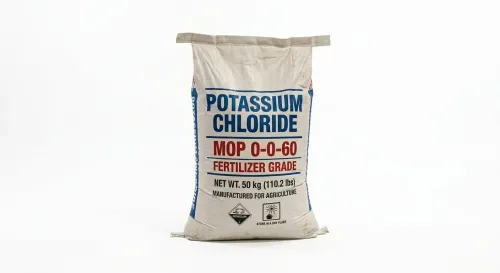
Packaging is another practical consideration. Chemicals may be supplied in drums, bags, containers, or other suitable formats depending on their properties and commercial requirements. The appropriate packaging should support safe handling while fitting the customer's storage and production processes.
Industrial buyers should also consider how distribution affects inventory. Holding excessive stock ties up working capital and storage space, while maintaining too little inventory can expose production to shortages. A planned supply arrangement can help balance these two risks.
Useful questions for distribution planning include:
- How much material does the facility consume each month?
- What inventory level should trigger the next order?
- How long does normal replenishment take?
- Are consumption patterns seasonal?
- Is the chemical required at more than one facility?
- Does the material have special handling or storage considerations?
Documentation should move with the material where required. Product identification, batch details, safety information, and relevant quality documents help receiving and quality teams verify incoming supplies efficiently.
Across industrial centres in Gujarat, Maharashtra, Telangana, Karnataka, Tamil Nadu and northern India, supply-chain reliability often depends on communication between procurement teams, logistics personnel, suppliers, and plant users.
Halogens works within this broader chemical supply environment for customers with requirements across India. For buyers, the practical lesson is that distribution should not be treated merely as transportation.
Good Chemical Distribution connects purchasing, inventory, documentation, packaging, logistics, and production planning. When these elements are coordinated, manufacturers gain better visibility over material availability and can plan operations with fewer avoidable disruptions.
Keywords