A quotation for ammonium sulphate is incomplete until it identifies the grade, chemical specification, batch evidence and delivery terms. By the end, you will be able to match the material to laboratory, pharmaceutical, fertilizer or industrial use and compare Vadodara supply offers without relying on a grade abbreviation alone.
Key takeaways
- Confirm CAS 7783-20-2 and the formula (NH4)2SO4 before comparing offers.
- Match LR, AR, IP, BP, USP or ACS grade to the intended application.
- Check every certificate result against the specification sheet and batch number.
- Choose pack size, stock continuity and delivery controls before placing a bulk order.
What chemical identity and specification data should you confirm first?
Identify the material before comparing grades: ammonium sulphate is (NH4)2SO4, CAS 7783-20-2, with a molecular weight of 132.14 g/mol. The CAS number separates it from ammonium bisulphate and nitrogen-sulphur blends that may be sold under similar commercial wording.
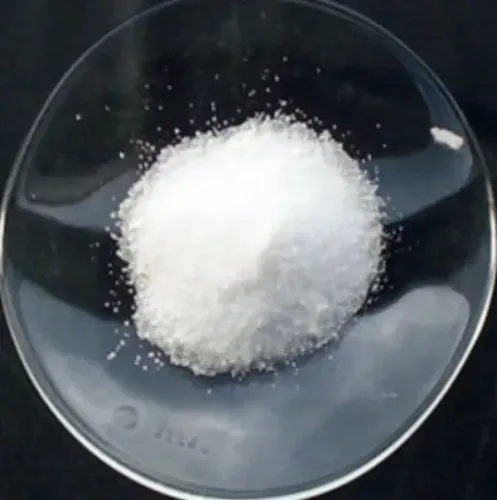
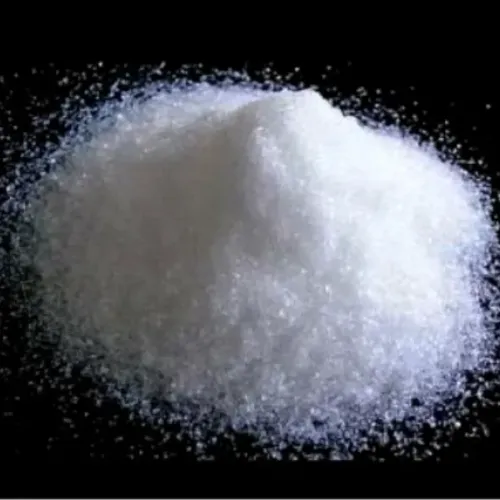
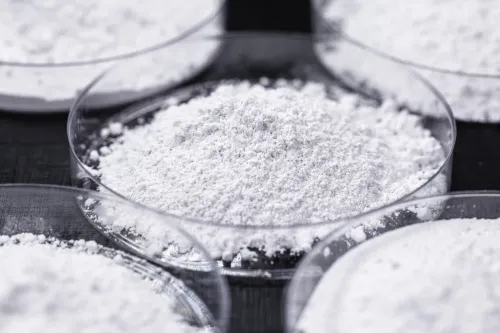
The usual material is a white crystalline solid with high water solubility. Dissolution performance still depends on water temperature, crystal size, moisture and caking, so appearance alone cannot confirm process suitability.
A useful ammonium sulphate specification sheet should state:
- Chemical results: assay, nitrogen content, sulphate content, moisture or loss on drying, insoluble matter, iron, heavy metals, chloride and residue on ignition.
- Physical and solution data: particle-size range, free-flowing condition, anti-caking treatment if present, and pH measured at a stated concentration, such as a 10% solution.
- End-use controls: microbiological limits when the material is intended for pharmaceutical, formulation, biotechnology or other controlled applications.
Do not treat the specification sheet as proof that a particular shipment meets those limits. It is a forward-looking product specification describing what the supplier intends to supply; the batch-specific certificate of analysis must identify the lot, test methods, results, specification limits, manufacturing or retest date and approving signatory.
Require both documents before discussing whether a grade is suitable.
How do LR, AR, IP, BP, USP and ACS grades differ in actual use?
LR and AR are not interchangeable labels. AR means analytical reagent: the supplier sets defined limits for specified impurities and provides test methods. LR is a market or supplier designation whose limits are not globally uniform, so an ammonium sulphate LR AR supplier must provide the actual specification and batch CoA.
| Grade | Plain meaning | Typical use |
|---|---|---|
| LR | Supplier-defined laboratory reagent | Routine laboratory work, teaching and general preparation |
| AR | Analytical reagent with stated impurity limits | Analytical testing, research and controlled laboratory methods |
| IP | Indian Pharmacopoeia standard | Pharmaceutical processing and formulation in India |
| BP | British Pharmacopoeia standard | Pharmaceutical processing or release work requiring BP compliance |
| USP | United States Pharmacopeia standard | Formulation and pharmaceutical testing requiring USP compliance |
| ACS | Standards-based analytical grade | Research and analytical methods using ACS specifications |
IP, BP and USP refer to named pharmacopoeias, not generic quality levels. Ask for the pharmacopoeia edition, monograph compliance, test methods and any internal specification; these labels are not interchangeable. “Pharma grade” alone proves little without documented controls, traceability, change notification and ICH Q3D elemental-impurity assessment where relevant.
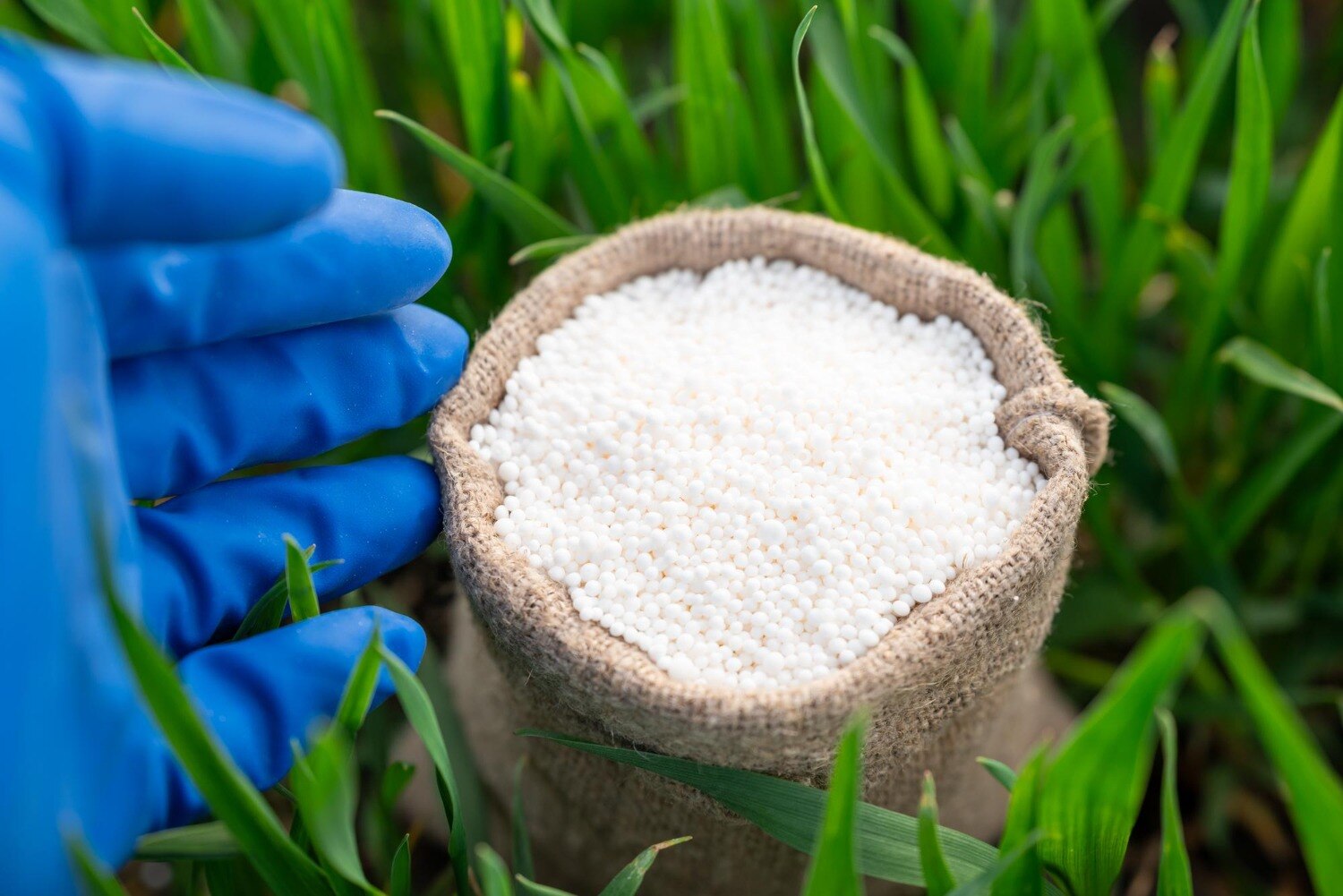
Industrial or fertilizer material can suit nitrogen-sulphur production, soil application and other processes that do not need reagent purity. The conventional description is 21-0-0-24S—about 21% nitrogen and 24% sulphur, with no declared phosphate or potash—yet Indian buyers must check the applicable Fertiliser Control Order specification.
Choose AR or ACS for analytical work and a named pharmacopoeial or validated internal standard for pharmaceutical use. A quotation stating only “ammonium sulphate” is not a technical grade.
How can you compare a specification sheet with the certificate of analysis?
A specification sheet states the target; a certificate of analysis (CoA) proves whether a named batch met it. Request the ammonium sulphate specification sheet, batch CoA and SDS, then compare every purchase requirement line by line.
Check that the CoA identifies:
- Lot or batch number, manufacturing date, retest or expiry date, and approving signatory
- Test method, measured result, unit and specification limit
- Assay, chloride, iron, heavy metals or specified elemental impurities
- Insoluble matter, pH or acidity/alkalinity, moisture or loss on drying
- Particle-size distribution, plus any residue-on-ignition or microbiological limits required for the application
Read limits precisely:
| Value type | Meaning | How to compare |
|---|---|---|
| Minimum | Result must reach or exceed it | Reject a lower result |
| Maximum | Result must not exceed it | Reject a higher result |
| Nominal | Stated target value | Confirm the allowed tolerance |
| Typical | Informational value, not usually a release limit | Do not treat it as acceptance evidence |
A high assay alone does not prove suitability for trace analysis, buffer preparation or molecular-biology work. Chloride, iron, elemental impurities, particles and moisture can determine whether the material works.
Review the SDS for dust control, decomposition during strong heating, spill response and storage segregation. Check compatibility of ammonium sulphate solutions with tanks, transfer lines and process equipment; acidic solutions can damage an unsuitable system even when the dry solid appears harmless.
Which Vadodara supply option fits your quantity and continuity needs?
An ammonium sulphate bulk purchase should match your quantity, delivery control and need for repeatable batches, not just the lowest quoted price.
| Option | Minimum order and lead time | Freight, stock and continuity |
|---|---|---|
| Manufacturer-direct | Usually suited to metric-tonne orders; allow production lead time | Freight to Vadodara is quoted separately; ask for fresh stock, loading documents and one reservable production lot |
| Distributor-held stock | Smaller quantities and shorter dispatch time | Local freight is simpler, but check stock age, mixed batches and whether the same lot can support repeat orders |
| Ex-works offer | Quantity and dispatch depend on the seller’s available lot | You arrange pickup and freight from the named works; confirm loading documents, lot identity and transfer of risk |
Ask any ammonium sulphate industrial supplier in Gujarat for the exact grade, assay basis, physical form, particle-size range, packaging, origin, batch CoA and SDS. Halogens can be evaluated on these same specification points as a Vadodara-based supplier, but the quotation must still state them.
Put these terms into your purchase specification:
- Quantity in metric tonnes, lot size, permitted mixed or partial lots, moisture limit, free-flowing requirement and anti-caking treatment
- Particle-size range, bag or bulk packaging, net-weight tolerance, pallet or stacking rules and minimum remaining shelf life
- Delivery basis, freight responsibility, sampling procedure, rejection terms and the process for damaged or nonconforming material
A quotation saying only “ammonium sulphate” is incomplete. Require the grade designation and batch documentation before comparing prices.
Related product
 | Speciality Chemicals We are one of the noted processors of We are leading manufacturers, traders and exporters of a wide range of Speciality Chemicals like Ammonium... View product → |
What should you check before accepting delivery or approving a trial lot?
Before payment or unloading, ask an ammonium sulphate grades supplier in Vadodara for the quoted grade, specification sheet, batch CoA, SDS, batch number, manufacturing date, retest or expiry date, country of origin and packaging details. A quotation that says only “ammonium sulphate” is not a technical offer.
| Category | Do not assume | Confirm before acceptance |
|---|---|---|
| Fertilizer | Suitable for laboratory or pharmaceutical use | Impurity limits, moisture, particle size and documentation |
| Industrial | Equivalent to reagent material | Process limits, traceability and equipment compatibility |
| Reagent | Interchangeable with LR or AR labels | Named specification, test methods and batch CoA |
At receipt, follow this sequence:
- Inspect bag or drum seals, labels, lot identity, net weight and packaging against the order.
- Reject or quarantine damaged bags, severe caking, wet material or visible contamination.
- Check whether anti-caking treatment is present and declared; confirm that the powder is free-flowing enough for your metering equipment.
- Retain a representative sample using the agreed sampling procedure, with the sample linked to the batch number.
- Test the lot against purchase limits for moisture, particle size, dissolution at the process temperature and any specified impurities.
The same formula does not make fertilizer, industrial and reagent categories interchangeable. Confirm compatibility with tanks, lines and heat exposure before use. Approve a trial or release payment only after batch results pass the agreed limits and the supply terms preserve consistent lots for future orders.
Frequently asked questions
What identity details should you confirm for ammonium sulphate?
Confirm the name ammonium sulphate, formula (NH4)2SO4, CAS 7783-20-2 and molecular weight 132.14 g/mol. These details distinguish it from ammonium bisulphate and nitrogen-sulphur blends.
How do LR, AR, IP, BP, USP and ACS grades differ?
LR is intended for laboratory reagent use, while AR and ACS grades target analytical work with tighter impurity controls. IP, BP and USP grades are linked to the requirements of the Indian, British and United States pharmacopeias. Select the grade named in your method, monograph or quality system rather than assuming a higher-sounding label is suitable.
What should you compare on an ammonium sulphate specification sheet and certificate of analysis?
Match the product name, grade, test methods, limits, units and listed impurities. Then confirm that the certificate of analysis carries the same batch or lot number, test results, date and release status as the material offered.
Which Vadodara supply option suits a small or large requirement?
Choose a laboratory pack for occasional testing, commercial packs for routine production and bulk packaging when demand justifies storage and handling controls. For recurring use, confirm stock policy, lead time, minimum order quantity, pack configuration and the supplier's ability to repeat the approved specification.
What should you check before accepting an ammonium sulphate delivery or trial lot?
Inspect the outer packaging, product label, batch number, net weight, manufacturing or retest date, seal condition and visible signs of moisture exposure or damage. For a trial lot, retain a sample and approve it against the agreed specification before switching to routine purchase.
Keywords