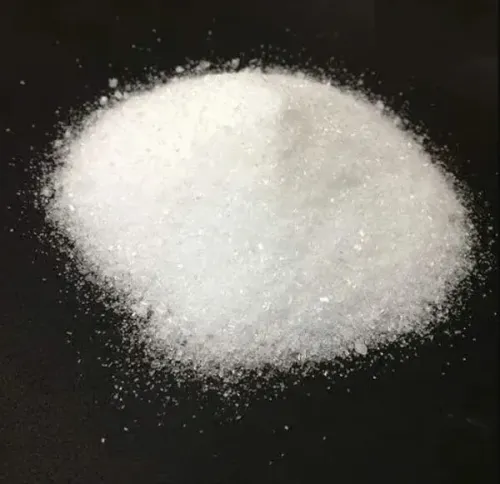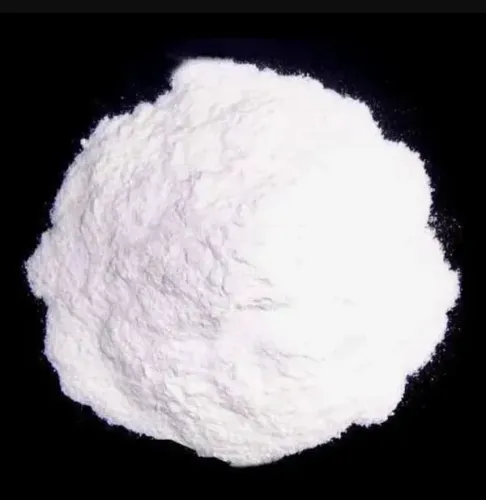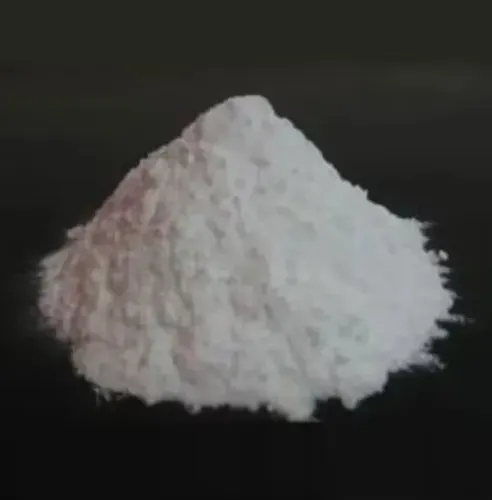
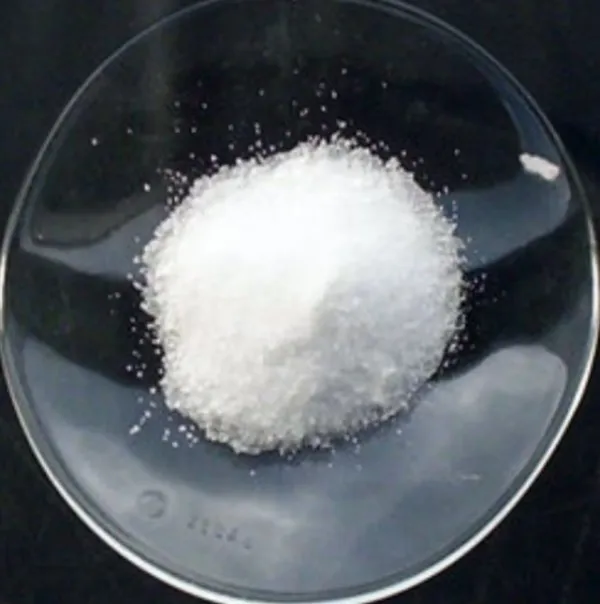
Unlike broadly standardized industrial inputs, Specialty Chemicals are often selected because of the particular function they perform within a formulation, manufacturing process, or end product. This makes application understanding an essential part of sourcing.
A procurement request based only on a chemical name may not provide enough information. Grade, purity, concentration, physical properties, compatibility, and process requirements can influence whether a material is suitable.
This is why technical specifications should be established before commercial discussions progress too far.
Specialty chemicals are used across diverse industries, including pharmaceuticals, coatings, adhesives, personal care, textiles, electronics, construction materials, water treatment, and industrial processing. The same broad chemical category can therefore involve very different customer expectations.
For example, a manufacturer may prioritize high purity because downstream reactions are sensitive to impurities. Another application may place greater emphasis on physical properties, concentration, stability, or compatibility with other ingredients.
Buyers should begin by documenting their requirement clearly. Useful information includes the intended application, desired grade, target specification, expected quantity, packaging requirement, and delivery location.
Samples or trial quantities may be relevant when a material is being evaluated for a new formulation or process. Technical teams can assess whether the product behaves as expected before procurement moves toward commercial-scale quantities.
Another important consideration is change control. Once a specialty material has been successfully incorporated into a production process, unexpected variation can create additional testing or manufacturing challenges. Repeat buyers should therefore pay attention to specification consistency and batch documentation.
Across India's major manufacturing clusters, including Maharashtra, Gujarat, Karnataka, Telangana, Tamil Nadu, and the Delhi NCR region, companies increasingly work with specialized formulations and demanding process requirements. This makes informed sourcing particularly important.
Documentation can include:
- Technical specifications
- Certificate of Analysis where applicable
- Safety Data Sheet
- Batch identification
- Storage guidance
- Relevant handling information
Halogens works with industrial buyers seeking chemical sourcing support across India. For specialty requirements, sharing technical information at the enquiry stage can help determine whether the available material aligns with the intended use.
Price remains part of the purchasing decision, but it should be assessed alongside functional suitability. A cheaper material that creates formulation inconsistency, additional testing, process adjustments, or product rejection can ultimately increase manufacturing costs.
Selecting Specialty Chemicals is therefore a technical as well as commercial decision. When procurement teams collaborate with production, R&D, quality, and suppliers, they are better positioned to select materials that support both process performance and reliable long-term sourcing.
Keywords